Experienced Digital Marketing Agency


Snapshot Report
Get a FREE Snapshot Report to access your online marketing performance, compare it to industry and competitor benchmarks, and uncover hidden opportunities. Request yours to gain data-driven insights to strengthen your online presence and fuel your growth!
Cognisus Marketing Solutions stands as a premier digital marketing agency, distinguished by its decades of accumulated experience and deep industry knowledge. In today’s ever-evolving digital landscape, effective online presence is not just an advantage; it’s a necessity for business growth and sustained success. We understand the intricacies of digital consumer behavior, search engine algorithms, and dynamic social media platforms. Our seasoned team is committed to leveraging this extensive experience to craft bespoke digital marketing strategies that empower businesses to achieve their online objectives, enhance brand visibility, and drive measurable results.
Comprehensive Digital Marketing Solutions
At Cognisus Marketing Solutions, we offer a full spectrum of digital marketing services designed to meet the diverse needs of businesses across various sectors. Our expertise covers key pillars of online success:

Search Engine Optimization (SEO):
We implement cutting-edge SEO strategies to improve your website’s visibility on search engines, driving organic traffic and attracting qualified leads. This includes keyword research, on-page optimization, technical SEO, and building high-quality backlinks.

Pay-Per-Click (PPC) Advertising:
Our experts design and manage highly effective PPC campaigns across platforms like Google Ads and social media, ensuring maximum return on investment and targeted reach to your ideal customers.

Social Media Marketing:
We develop engaging social media strategies to build brand awareness, foster community, and drive customer interaction across relevant platforms.
Content Marketing:
We create valuable, relevant, and consistent content (blogs, articles, videos, infographics) to attract and retain a clearly defined audience, positioning your brand as an industry leader.
Website Design and Development:
Our team crafts user-friendly, aesthetically appealing, and conversion-optimized websites that serve as the foundation of your digital presence.
Email Marketing:
Decades of Experience
The true strength of Cognisus Marketing Solutions lies in our decades of hands-on experience. This extensive background provides us with a unique vantage point to understand long-term digital trends, anticipate algorithm changes, and refine strategies that consistently deliver results. We pride ourselves on a data-driven approach, constantly analyzing performance metrics to optimize campaigns and ensure maximum ROI for our clients. By partnering with Cognisus Marketing Solutions, you gain a strategic ally with a proven track record, dedicated to navigating the complexities of the digital world and driving sustainable growth for your business.
Contact our team today to get started.
About Us & What We Strive For
With over 30 years of experience, our founder, Breffni Fox, has led high-performing teams in both global pharma giants and resource-limited startups. His expertise spans sales, market research, and full product lifecycle management at companies like Merck and Sanofi, giving him a unique, results-driven perspective on business growth.
But strategy alone isn’t enough. Our powerhouse digital team brings that vision to life with cutting-edge SEO, paid advertising, content creation, social media, web analytics, and design. We combine deep industry knowledge with the latest digital tactics to create campaigns that don’t just get clicks—they drive real impact.
We don’t just adapt to change—we drive it.
Our Mission
We want to power your business with strategic marketing solutions that amplify your message, expand your audience, boost engagement, and convert customers. Your competition may outspend you but you can outsmart them. We partner with you to do more with less, and make every marketing dollar count.
What We’re Building
We want to help you achieve success with bold, custom-made, cost-effective marketing strategies. We don’t just tackle challenges; we turn them into opportunities for long-term growth and real, tangible results that’ll propel your brand to the next level. Think bigger, bolder, better.
Our Approach
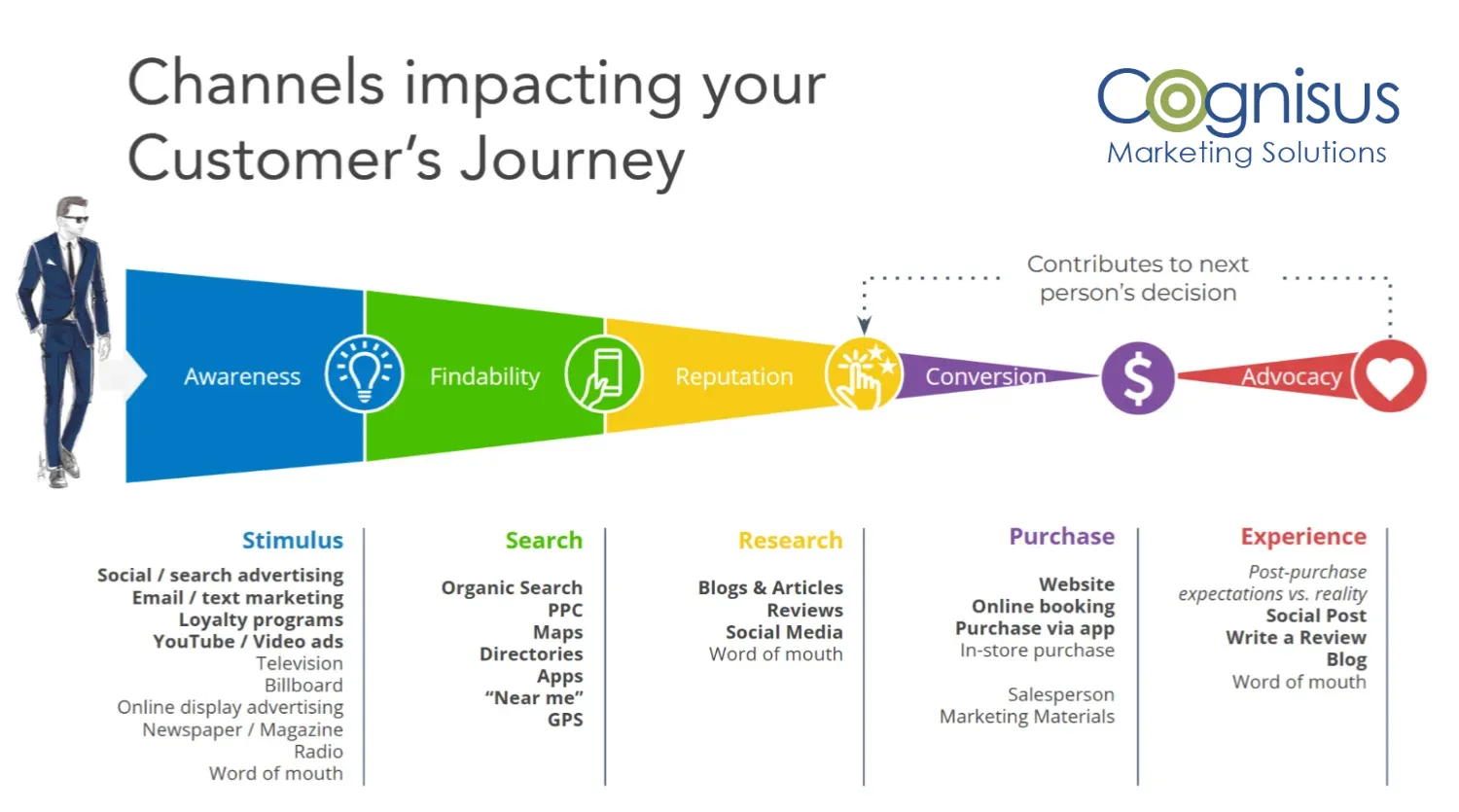
Cognisus takes a holistic, digital approach to ensure every strategy, channel, and touchpoint works together to create a seamless, high-impact brand experience. This strategic approach reinforces your brand identity while driving meaningful engagement.
We don’t offer cookie-cutter solutions—just tailored marketing that fits your business perfectly.
Our Feed
Your Digital Marketing Headquarters
Strategic Planning
Search Engine Optimization
Social Media Marketing
Content Creation
Website Design
Graphic Design
Digital Ads
Marketing Automation
Direct Mail
Listings Management
Reputation Management
AI Solutions

We’re Not Just Marketers—We’re Your Growth Partners.
Frequently Asked Questions About Digital Marketing Services
What digital marketing services does Cognisus Marketing Solutions offer?
Cognisus Marketing Solutions provides a full spectrum of digital marketing services designed to meet diverse business needs. This includes Search Engine Optimization (SEO) to improve online visibility, Pay-Per-Click (PPC) advertising for targeted campaigns, social media marketing to build brand awareness, content marketing to engage audiences, website design and development for a strong online foundation, and email marketing for nurturing leads.
How does SEO benefit my business, and how long does it take to see results?
SEO helps your business by improving its ranking on search engines like Google, which drives more organic (unpaid) traffic to your website. This means more potential customers find you. While some minor improvements might be seen in a few weeks, significant SEO results typically take 4-6 months to fully materialize, as it involves ongoing optimization and adapting to search engine algorithms. It’s a long-term investment that yields sustainable growth.
How do you ensure my digital marketing strategy is effective and provides a good ROI?
At Cognisus Marketing Solutions, we ensure effectiveness through a data-driven approach and decades of experience. We start with a deep understanding of your business goals and target audience. We then develop customized strategies, continuously monitor key performance indicators (KPIs), and use analytics to optimize campaigns in real-time. This iterative process allows us to make informed adjustments, ensuring your digital marketing spend generates the best possible Return on Investment (ROI) and drives measurable business growth.
What makes Cognisus Marketing Solutions different from other digital marketing agencies?
Our primary differentiator is our decades of accumulated experience in the digital marketing landscape. This extensive background provides us with unique insights into long-term digital trends and anticipating algorithm changes, allowing us to craft highly effective, bespoke strategies. We prioritize transparent communication and a results-oriented approach, leveraging our expertise to provide reliable, data-backed solutions that consistently deliver measurable growth and a strong online presence for our clients.